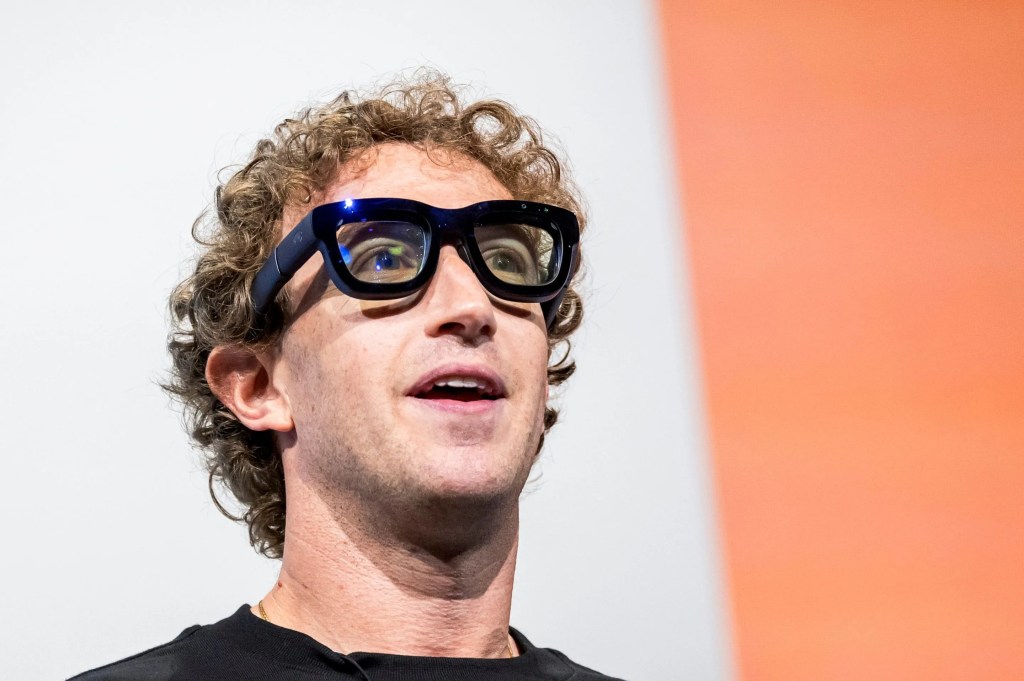
You can’t buy cool. Not with hundreds of billions in the bank. Not even with ownership of the world’s biggest social media platforms and a heavy hand on popular discourse. Elon Musk and Mark Zuckerberg have spent recent weeks kindly evidencing that old adage, entering 2025 to a barrage of unfiltered, brutal profiles from various media outlets. As Trump’s second term looms ever larger on the dark and murky horizon these two remain among the most influential men on Earth, pulling the strings of the ‘free world’. Yet, they continue to chase popular approval and a different kind of status. As a final, if futile, symbol of empowerment for everyone else, ‘coolness’ eludes them like one last pot of gold at the end of the rainbow.
Admittedly, what being cool means to the tech bro types of Silicon Valley isn’t necessarily a universally accepted blueprint. The public approval that Musk and Zuckerberg chase is more likely found in the basement of a teenaged gamer than it is in the offices of Vogue or Vanity Fair. The SpaceX CEO rebrands his Twitter profile as an alt-right frog meme. The Meta CEO complains about woke on Joe Rogan. There’s no doubt they each hope to gain messianic status among that notorious cohort of young men apparently disenfranchised by modern politics. But even among a group so famously impressionable, many are seeing past the facade as those bids for popularity are widely rejected.
In Vulture’s gaming section, Musk was decried last week as a ‘charlatan’. Having livestreamed a session on Path of Exile 2, gamers struck back at his evident lack of skill in relation to his high character levels. Shock-horror, the richest man in the world had committed gaming’s cardinal sin of pay (rather than play) to win.
Meanwhile, Zuckerberg’s venture into the Rogan-verse constituted an appeal to a different – albeit socially and demographically adjacent – group: MMA fans. Two weeks before appearing on the show, the Facebook founder made an excruciating, yet endlessly watchable, appearance in UFC fighter Alex Volkanovski’s ring-walk. Whilst talking to Rogan he continued to talk up his commitment to the sport by referencing his newfound passion for Jiu-Jitsu. But far from being accepted and valorised by the community Zuckerberg is, and has, been seen as little more than a social pariah. Two years ago, one of the sport’s biggest personalities, Paddy Pimblett, called him out as a ‘lizard’ and a ‘piece of vermin’.
Others have retaliated to his comments on Joe Rogan. Writing for The Cut, Emily Leibert highlighted the irony of the Facebook founder overhauling Meta’s fact-checking policy and then immediately complaining that corporations have been wrongfully purged of masculinity. 90% of Fortune 500 CEOs are men, she points out. These appeals for popularity and some form of cultural acceptance have ranged from cringe-inducing at the best of times to outright dangerous at the worst. Rebecca Shaw’s Guardian Op-ed captured the general sentiment, noting that while immorality among these types is hardly surprising, such bumbling attempts to court cultural relevance are unprecedented.
Fundamentally, the likes of Musk and Zuckerberg exist outside of the usual structures of social status and acceptance. No matter what your view is on the morality of billionairedom, the fact of being a billionaire defines whoever it touches and removes them from the typical processes of cultural evaluation. In that regard, it’s hard to think of any billionaires at all who are widely recognised as cool. Maybe Andrew Garfield gave Eduardo Saverin a good run at it with The Social Network, but a glance at the man’s Wikipedia and the illusion crumbles. Renouncing American citizenship and moving to Singapore to become the biggest tax-avoiding American in history: decidedly uncool.
Any billionaire’s publicist would be best placed telling their client to stop even trying. Inherently detached from the normal protocol of public perception, it’s only ever more embarrassing to yearn for public approval. It’s like trying to win the gold medal in a race you aren’t allowed to enter, or trying to join the cool kids’ table in the cafeteria you built. Zuckerberg and Musk’s uncoolness is so pronounced precisely because of how hopelessly they wriggle to be rid of it. They might hold the lion’s share of the power in our late-stage capitalist society, but they don’t quite hold it all. The general public and the free media remain the arbiters of coolness, and we won’t let go of it lightly.
Image courtesy of David Paul Morris/Bloomberg
 The Thin of It
Leave a comment